The Mission
Anthropology, the self-styled “science of humanity,” has been an academic profession for nigh on a century. While the practice of anthropology traces its roots back some 2500 years to wandering Greek, Roman, Persian, Arab, North African and Chinese scholars who traveled widely and wrote down what they observed, in the 1920s it retreated behind the walls of the Ivory Tower in the universities of the west, and slammed the door behind it. Today, professional anthropology is a an esoteric occupation requiring a decade or more of higher education culminating in a PhD and costing somewhere in the vicinity of $100,000 for basic training from soup to nuts.
Yet for all the intellectual window dressing, anthropologists remain, by and large, just storytellers. To be sure, some who shelter beneath the broad umbrella of the discipline are elite technicians who excavate stories from the depths of the past, or from our DNA. But the majority of the discipline remains devoted to ethnography: the systematic documentation of particular human groups. The Factory Schoolhouse is an experiment in democratizing that process by providing a space for the rewilding of living social history in the Adirondacks, where the story of the people has all too often been overrun by the story of the wilderness. The Factory Schoolhouse is a place where Adirondack people can record their own stories in their own way, no degree required.
The Work
To achieve this mission, The Factory Schoolhouse engages in the following work:
1. Oral History Collection: TFS houses a dedicated on-site recording booth for walk-in residents to document their Adirondack stories. A portable oral history kit is maintained to reach contributors who cannot travel to the site.
2. The Digital Archive: We compile, preserve, and maintain the resulting audio and video recordings in a free, open-access digital repository of Adirondack social history.
3. The Anthropology Workshop: An annual initiative where local residents document and narrate working-class mountain stories in their chosen format—whether film, podcast, exhibit, or writing—to be showcased publicly.
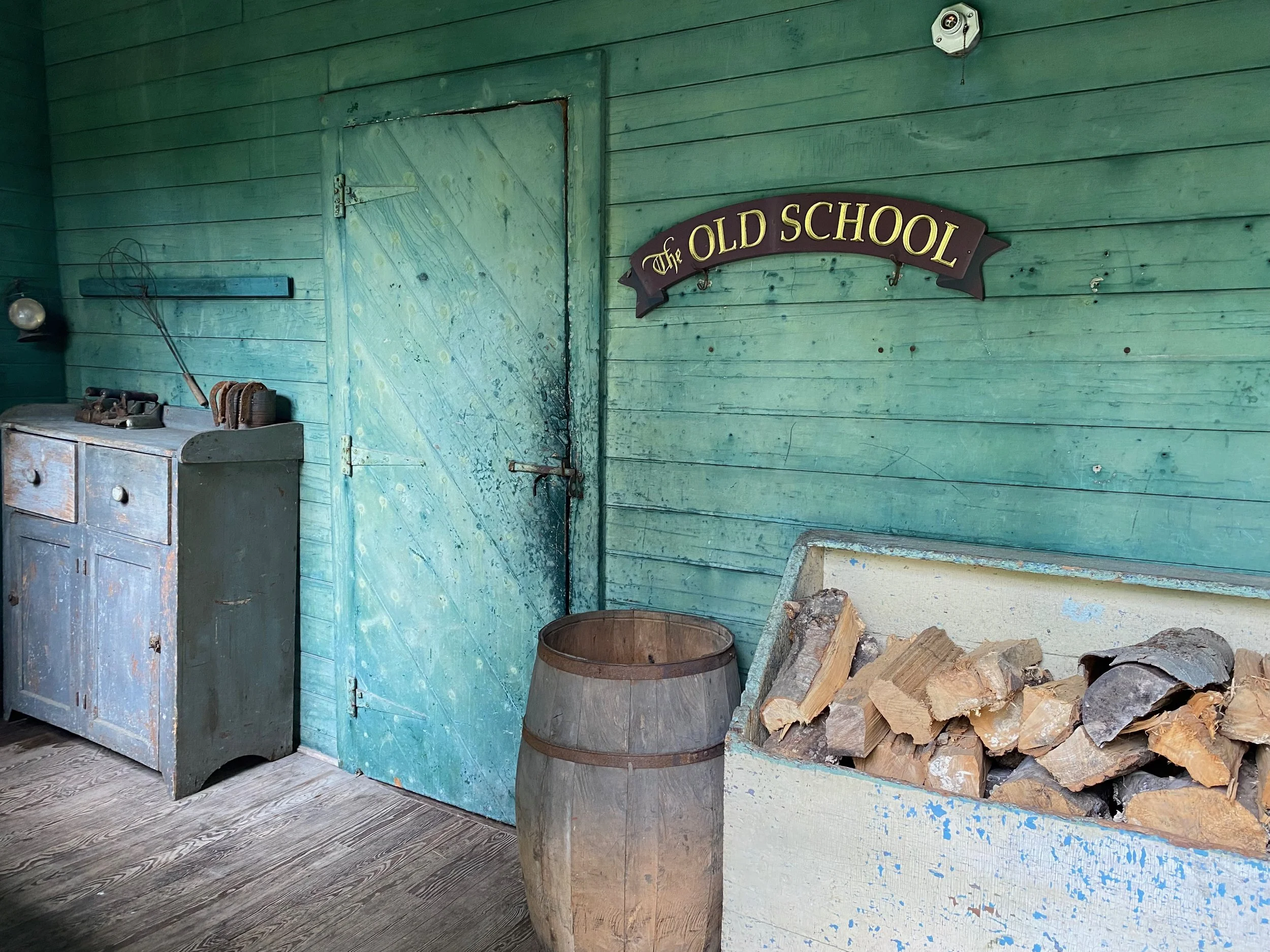
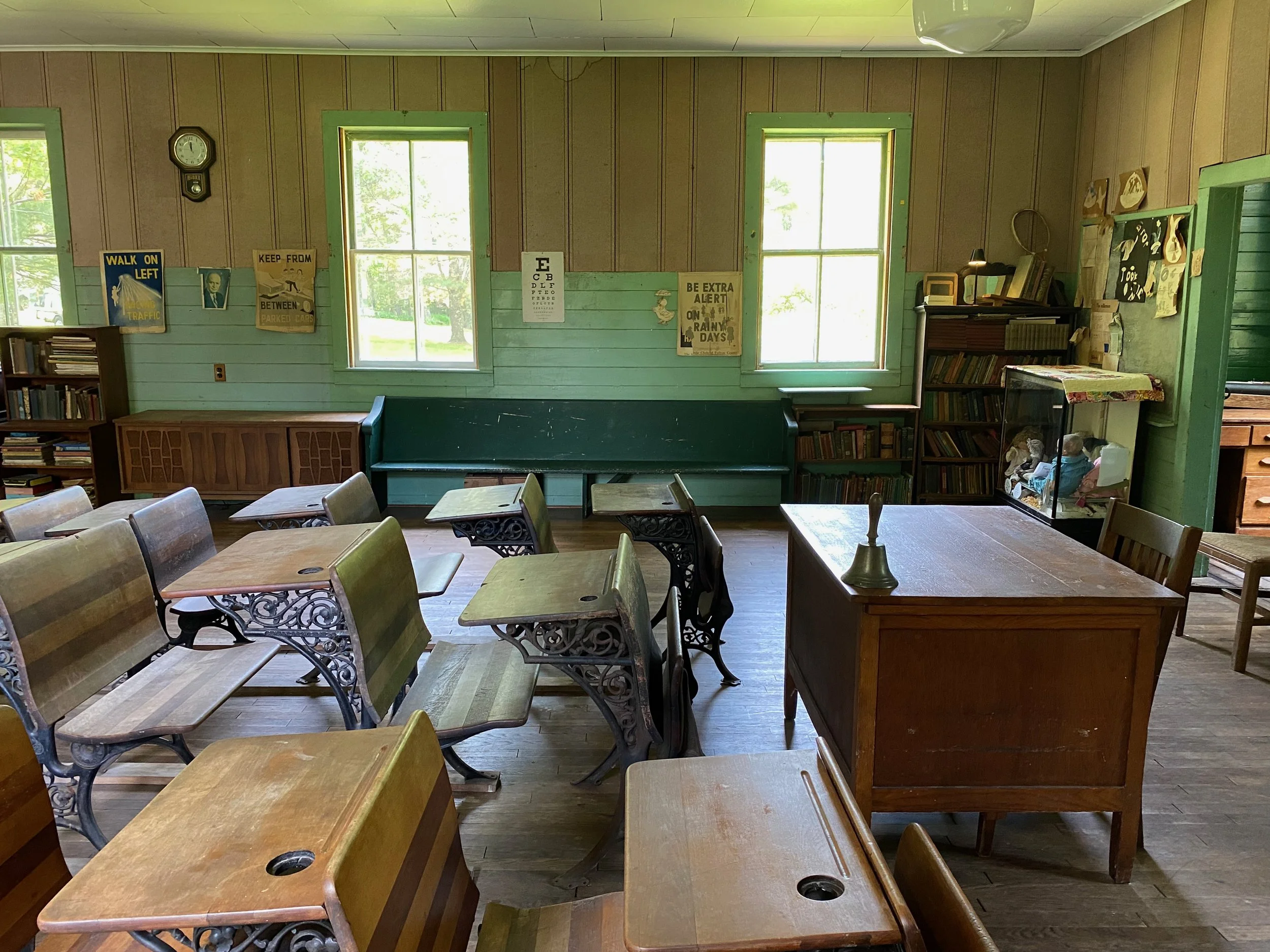
4. Public Exhibitions: TFS hosts a permanent display on the 19th-century history of the schoolhouse alongside rotating, guest-created exhibits that center the region's human stories.
5. Open Educational Resources (OER): We build and maintain the Adirondack Social History Project, an online repository of open-source historical and cultural materials for teachers, students, and the general public.
6. Accessible Education: TFS offers a free, open online course titled A People's History of the Adirondacks, providing a college-level historical survey to anyone with an internet connection.
7. Collaboration. TFS collaborates with cognate regional partners including public historians, museums, historical societies, arts centers, and public broadcasters to host outreach and special programs.
8. Community Open House: An annual autumn open-door gathering for neighbors and collaborators to share information, review the past year's work, and shape the future of TFS operations.
9. Grant Writing: We pursue targeted grant funding to support our core operations and programming. Some grants may also support students and researchers from regional institutions who wish to contribute skills and labor to community-directed projects.
10. Fundraising: TFS will engage in grassroots and alternative forms of fundraising—ranging from GoFundMe campaigns to gift shop sales—to further sustain and support this work independent of institutional constraints.